

Industrial and manufacturing facilities operate with high energy demands and tight cost controls. Nimbus Solar designs and installs bespoke solar PV and battery storage systems that help manufacturers reduce energy costs, improve resilience, and support long-term sustainability targets without disrupting operations
Manufacturing and engineering environments demand reliable, cost-effective energy to support production and precision processes. Solar PV enables businesses to reduce operational costs while maintaining performance and compliance.
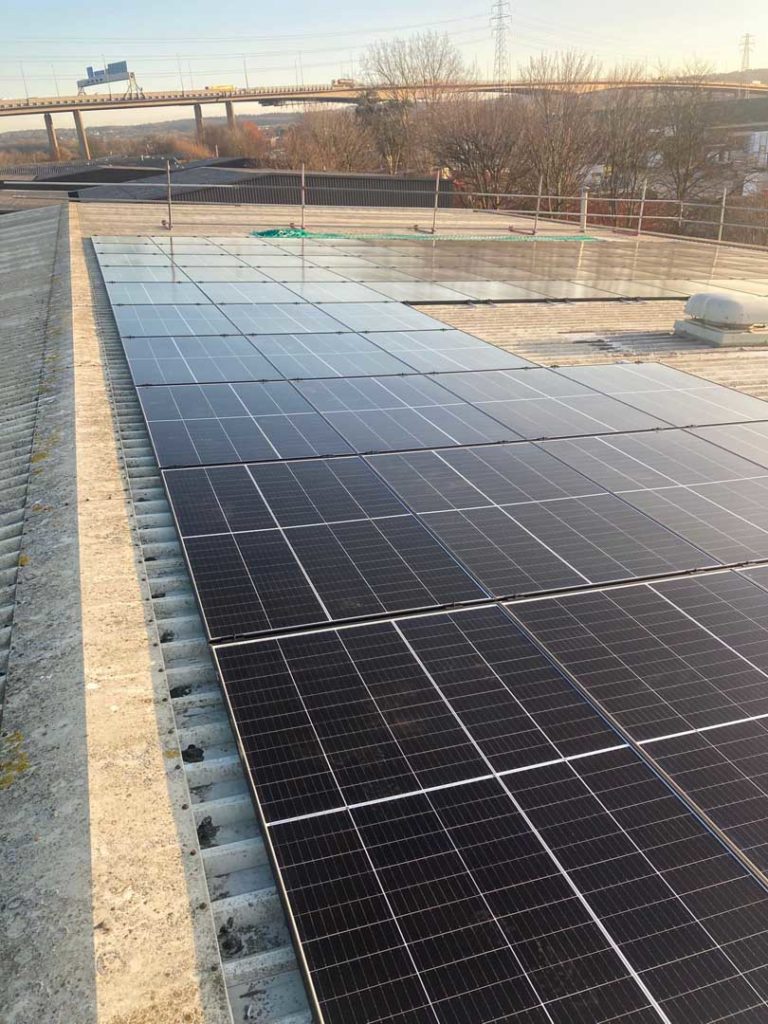
Factories often operate with high daytime energy usage and large roof areas, making them ideal candidates for solar PV installations designed around production demands.
Cold storage facilities operate continuously, making energy efficiency critical. Solar PV combined with battery storage helps manage peak demand and reduce grid reliance.
Solar PV enables manufacturing and industrial sites to generate their own electricity during core production hours, significantly reducing reliance on the grid. Lower operating costs free up capital that can be reinvested into machinery, automation, workforce development, and operational improvements.
On‑site renewable generation helps industrial businesses reduce their carbon footprint year after year. This supports corporate sustainability strategies, strengthens ESG reporting, and helps meet supply‑chain requirements from major buyers who increasingly demand low‑carbon operations.
Producing electricity on site gives manufacturers greater control over energy usage and reduces exposure to grid instability or outages. When combined with battery storage, surplus energy can be stored and used during peak production periods, improving uptime and operational resilience.
Solar PV provides long‑term protection from volatile and rising energy costs. By generating clean power on site, industrial businesses can secure predictable, stable energy expenses, supporting long‑term planning and safeguarding margins.
Manufacturing and industrial organisations can benefit from funding options such as Power Purchase Agreements (PPAs), capital-funded installations, and applicable government incentives. These models make solar adoption cost‑effective without impacting cash flow or delaying other capital projects.
A visible commitment to renewable energy enhances credibility with customers, procurement teams, and partners. Many supply chains now prioritise low‑carbon suppliers, and solar installations can help businesses win contracts, meet compliance requirements, and stand out in competitive tenders.









Thinking about solar but unsure about the cost? Download our free residential solar finance guide — or call us and we’ll walk you through your options.